

RHILLANE Ayoub · June 23, 2026
TLDR: My fifteen-person small business is fully remote across four time zones, and for a year we drifted, duplicated work, and let problems fester in the gaps between schedules. One weekly operating cadence fixed it, and it was not more meetings. It was one written rhythm that let people stay aligned without ever being online at the same time. Remote team management is a documentation problem disguised as a communication problem.
There was a stretch in 2024 when I genuinely thought remote work was breaking my small business. We had people in Morocco, a few hours ahead in the Gulf, and colleagues in California eight to nine hours behind. In practice the California designer would finish something at 6 PM her time, which was 3 AM in Morocco, and by the time the Moroccan team saw it and had questions, she was asleep. A simple clarification took two full days.
The worst part was not the slowness. It was the quiet duplication. Two people would solve the same problem without knowing the other was on it. I spent my days as a human router. The business was running on my availability, which meant it was not really running. It was leaning on me.
I tried more meetings first. That made it worse. Then fewer meetings and more chaos. Worse again. What finally worked was not about meetings at all.
The Problem With Running a Remote Small Business Like an Office
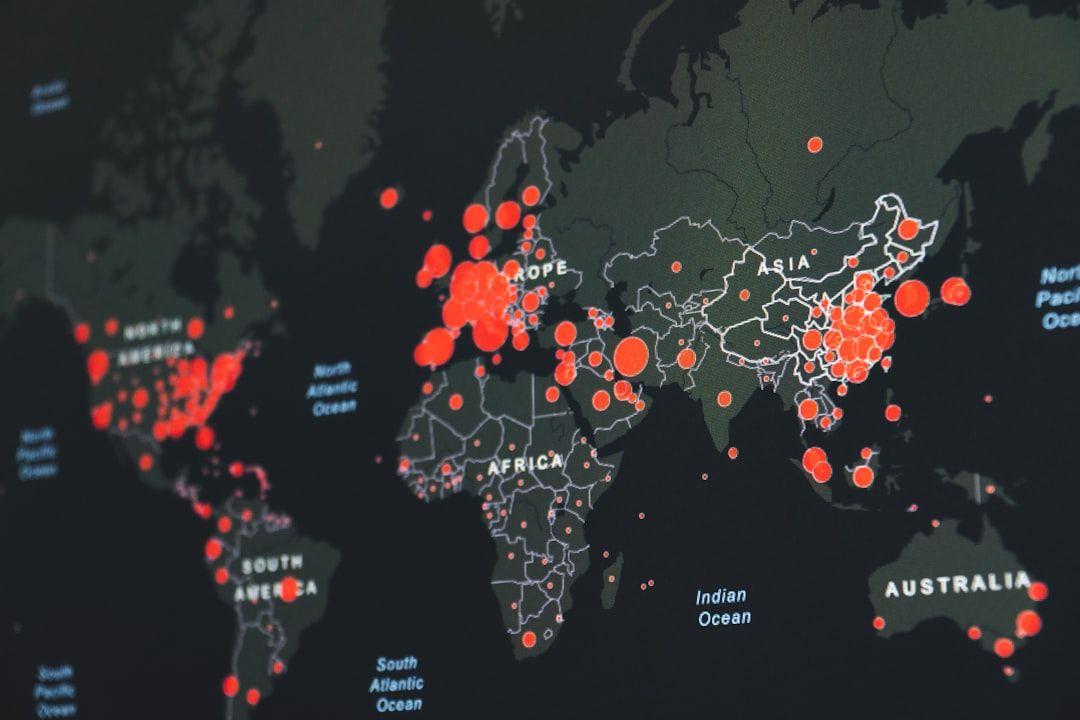
Most small businesses run remote work as if it were the office, just over video. Same instinct to "hop on a quick call," same assumption that alignment happens by talking. That model assumes everyone is awake at the same time. Spread a team across four time zones and the assumption shatters.
When your people cannot reliably be online together, every process that depends on live conversation becomes a bottleneck. The team in the earliest zone always works off yesterday's information, and the team in the latest always waits on tomorrow's answers.
A Buffer report on the state of remote work has flagged collaboration across time zones as one of the hardest parts of distributed teams, year after year. The mistake is trying to solve an asynchronous reality with synchronous habits. You cannot meeting your way out of a time-zone gap. You have to write your way out of it.
The Cadence: One Written Week, Repeated
What I built is not complicated, which is exactly why it works. It is a single weekly written rhythm that every person follows, regardless of when they work. Nobody has to be online at the same time for any of it.
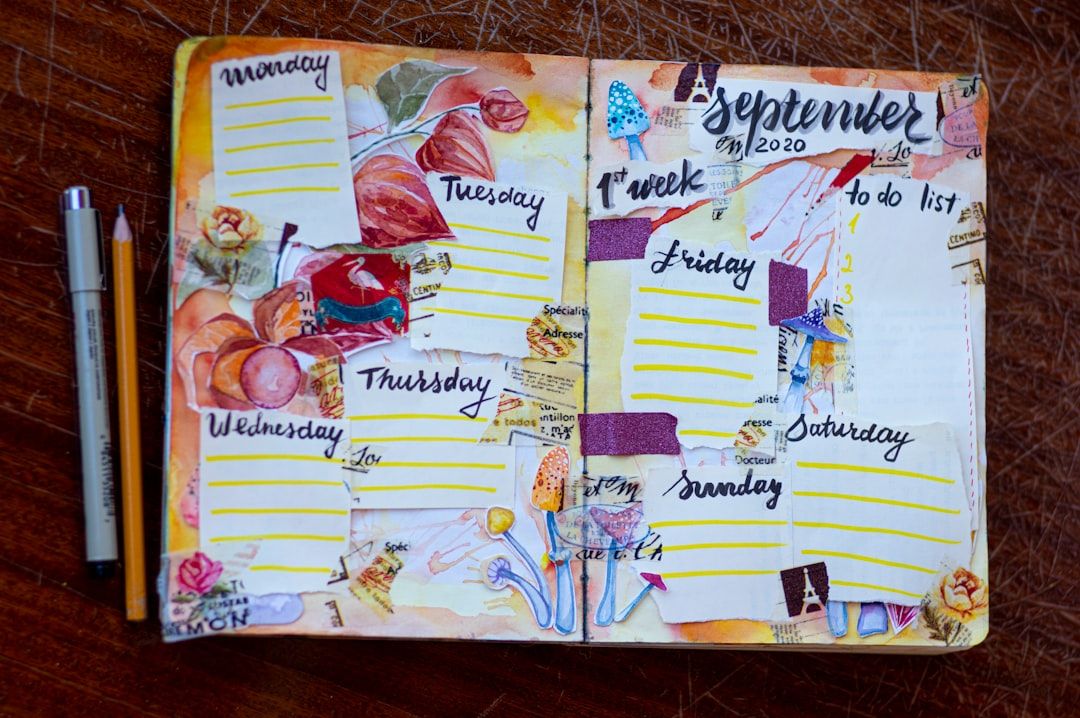
Every Monday, before the day starts in their own zone, each person writes three things in a shared space: what they will finish this week, what they are blocked on, and what they need from someone else. Five minutes, no meeting. Every Friday, before they log off, each person writes what they actually finished and what is rolling into next week.
That is the spine of the whole system. Ten minutes of writing per person per week, and the entire team can see the state of everything without ever needing to be awake together.
- Monday intentions mean nobody starts the week guessing what anyone else is doing.
- Blockers are surfaced in writing, so the person who can unblock you sees it the moment they wake up, not two days later on a call.
- Friday closeouts create a clean handoff, so the next time zone starts with current information.
- Everything is searchable, so a question answered once is answered forever, instead of re-asked every time someone new touches the work.
Why Writing Beat Talking
The shift from talking to writing raised the quality of the thinking, not just the logistics. When you have to write what you will finish this week, you commit to something specific, and it killed the duplication overnight. Once every person's week was visible, two people never again unknowingly started the same task. The shared record became the single source of truth, and the human-router job disappeared.
Harvard Business Review made the point early in the remote shift that distributed teams thrive on structured, explicit communication rather than the casual osmosis of an office. Our cadence forced that into a five-minute habit.
The Single Live Meeting That Earns Its Place
I am not against live meetings. I am against using them for things writing does better. After the cadence took hold, we kept exactly one synchronous meeting a week, in the narrow window where all four time zones could just barely overlap: early afternoon in Morocco, early morning on the US west coast.
That meeting is thirty minutes and has one job: decisions that genuinely need a conversation. Not status updates, those are already written. Only the handful of judgment calls that benefit from people talking them through in real time. Refusing to let it fill up with status is what keeps it short enough that people across four time zones will actually show up.
Everything else lives in writing. A fifteen-person team coordinates with one half-hour meeting a week and ten minutes of writing per person. The calendar is nearly empty, and alignment has never been tighter.
What Changed In The Numbers
The cadence showed up in the work, not just the mood. The two-day clarification delays collapsed to same-day, because blockers were written where the right person would see them at the start of their morning. Duplicated work went to zero once ownership was visible. The clearest signal was my own time: I went from relaying messages most of the week to actual leadership. When I took a two-week trip across an inconvenient time zone of my own, the team ran without a hiccup.
What I Would Tell Any Remote Small Business Owner
If your distributed team feels slow, fragmented, or overly dependent on you, do not add meetings. Meetings punish the time-zone spread that makes remote valuable in the first place. Add a written rhythm instead: a fixed, repeatable week that every person can follow on their own schedule, that makes the state of all the work visible to everyone.
It will feel almost too simple to work, and that is the point. A complicated system across four time zones collapses under its own coordination cost. A simple written cadence keeps the team aligned in the one place everyone can always reach: the written record, waiting whenever their day begins.