


Small Biz Leader · June 17, 2026
Late payments can strain business relationships, but the right approach turns collections into an opportunity to strengthen client connections. Industry experts share fifteen practical strategies that balance firm follow-up with genuine respect for customer relationships. These proven methods help businesses recover outstanding invoices while maintaining the trust that keeps clients coming back.
 VK
VK KS
KS MB
MB EK
EK KM
KM OP
OP RS
RS Rick Elmore · Vaibhav Kakkar · Keagan Stapley · Marc Bishop · Ender Korkmaz · Ken Marshall · Olivia Parks · Richard Spanier · Ryan Pritchard · Jack Donahue · James Weiss · Dave Ward · Gregory Hair · Kevin Lourd · Saulo Canny
Send Three Touches Plus Handwritten Card
Late payments used to stress me out until I realized most of them are not personal. People get busy, invoices get buried, and nobody likes being the one to bring it up. The approach that works consistently for us at Simply Noted is a three touch system that keeps things friendly but clear.
First touch is an automated reminder three days before the invoice is due. Just a heads up, nothing aggressive. Second touch goes out the day after it is past due, and it is a short personal email from me or our account manager that says something like, "Hey, just wanted to make sure this did not slip through the cracks. Let me know if you need anything on our end to get this processed."
The third touch, and this is the one that actually moves the needle, is a handwritten note. We send a brief, hand penned card that says we value the relationship and want to make sure everything is good on their end. It sounds old school, but a handwritten note stands out in a stack of bills and automated emails. People open it, they feel the personal effort, and they almost always respond within a few days. Our average collection time dropped from 38 days to 22 days after we added that step. The key is keeping every message focused on the relationship, not the money. Nobody pays faster when they feel like they are being chased.
Loop In The Work Approver
Vaibhav KakkarFounder and Group CEO, Digital Web Solutions
We find it works well to move the conversation from accounting back to the main business contact directly. Many small businesses keep following up with general finance emails directly. The real influence is often with the person who approved the work. We send a polite note to that contact to bring attention to the pending invoice.
We say we want to make sure the message does not get lost inside the company. We mention the invoice is still open and ask for help to find the right person. We avoid blame and keep the tone friendly and clear. We see better responses when people feel helpful instead of being chased.
Tie Balance To Next Delivery
Keagan StapleyOwner, NYC Meal Prep
At NYC Meal Prep, most late payments are simply the result of busy schedules, so I focus on making the process easy rather than uncomfortable. Since my clients are often juggling demanding work and family commitments, I send a friendly reminder with the invoice link and a note about their upcoming meal delivery or service. A simple message like, "Just a quick reminder that this invoice is still outstanding—please let me know if you need anything from me before your next delivery," works well because it ties the payment to the service they're expecting while keeping the relationship positive. I've found that a courteous, proactive approach gets invoices paid much faster than a more aggressive follow-up.
Ask For A Specific Date
Marc BishopDirector, Wytlabs
Payment friction often reflects weak follow-up rather than bad clients. A calm system protects cash flow and preserves long-term goodwill. Every reminder should make the next action unmistakably clear. Ambiguity is the enemy of timely collections and healthy relationships.
I recommend one message that combines courtesy with accountability. "Following up on invoice 9564, now overdue, and asking what date payment should be expected." That wording keeps the exchange professional while prompting a commitment. If the customer avoids naming a date, request partial payment immediately and place all future work on temporary hold.
Frame It As Engagement Closure
The most reliable step is calling attention to closure rather than collection. People like finishing things, especially when the final action feels clean and finite. Position the payment as the last box to check on an otherwise successful project. That preserves the positive tone of the relationship.
I use a message that reinforces completion instead of chasing money. "The project wrapped smoothly, and this invoice is the final item remaining. Once paid, everything on this job is officially closed on both sides." Clients respond well because the language feels organized and mutually beneficial. It protects goodwill by focusing on completion, while still creating a clear reason to handle payment without further delay.
Secure Card And Automate Follow Ups
Ken MarshallCo-Founder, Meet Sona
First and foremost you should set up a system that makes it difficult for late payments to occur.
Get a credit card on file up front or ACH set up. Then give your customers a discount for helping you out. It's mutually beneficial.
Next, automate follow-up asks if payments are late and describe this from the very beginning. You'll have reminders for them if they forget, no worries. You can make these emails in a sequence at set intervals. They can even come from an official sounding email to help them make the connection, like accounting@yourexamplecompany.com.
After that, if they still aren't responding, give them a call or ask them to meet briefly for 10-15 minutes. Hear them out, explain the situation and try to take payment there and then. If they still don't cooperate, the business relationship has ALREADY soured. There's nothing you can do about that if it's been multiple months or billing periods of intentional disregard for you and your business.
After you've tried good systems, giving them grace and being fair without any change, you as the business owner need to ask yourself if this is worth it and why you have customers like this in the first place.
Collect Full Payment Upfront
Olivia ParksOwner + Professional Organizer, Professional Organizers Baton Rouge
In my business, I actually avoid late payment situations altogether by collecting full payment upfront to reserve a client's dates. I used to take a deposit and collect the remaining balance later, but I found myself constantly following up and reminding clients about the final payment. It created unnecessary stress and awkward conversations that neither side enjoyed.
Taking full payment upfront helps in a few ways. First, it confirms that the client is serious about moving forward. Second, it helps with cash flow, which is especially important when you have a team to pay and expenses to cover. Most importantly, it removes any tension around money once the project is complete.
I've also found that clients appreciate having it taken care of ahead of time. When the work is finished, they can simply enjoy the results instead of worrying about another invoice. For us, collecting payment upfront has been the best way to maintain positive client relationships while ensuring we're paid for the work we do.
Lead Through Recent Update Then Add Link
Richard SpanierPresident & CEO, Performance One Data Solutions (Division of Ross Group Inc)
Here's what I do when an invoice is overdue. I first send a quick email about a recent project we just finished, then add the payment link at the bottom. At Performance One Data Solutions, this keeps the conversation friendly instead of tense. It seems to work, people usually pay right after that without any awkwardness.
Pair Recent Wins To Open Bill

Ryan PritchardFounder & Principal Consultant, Skyport Digital
After 20 years in software engineering and now running Skyport Digital, I work directly with business owners on a no-long-term-contract basis. Because of this close partnership, I've learned that the best way to handle late payments is by tying the outstanding invoice directly to active, tangible value.
My go-to step is sending a "Value-First Performance Update" that pairs the invoice with a recent account win. Instead of sending a dry collection email, we share a quick screenshot of their current search rankings or organic traffic growth.
For example, when a client saw their Google traffic jump 358% in under 30 days, we highlighted that exact win. We sent the data with a note: "Here is your latest traffic report showing this massive growth, along with the open invoice so we can keep this momentum going."
This shifts the focus to the direct ROI we are delivering, which naturally motivates clients to settle up while keeping goodwill incredibly high.
Run A Service First Check In

Jack DonahuePresident & Founder, Donahue Real Estate Advisors
As the founder of Donahue Real Estate Advisors with over 30 years of commercial real estate experience, I know that maintaining goodwill is everything. In my work representing tenants in Pittsburgh, maintaining absolute trust and fiduciary responsibility is the key to resolving any contract or billing issue.
My go-to strategy is a "service-first" check-in that removes the friction of a typical collection call. I ask: "We are updating our advisory files and noticed invoice X is open; did we miss the mark on our service delivery, or is there a better contact for your accounts payable?"
This gentle, process-oriented nudge keeps relationships strong in tight-knit business hubs like Pittsburgh, PA. For commercial tenants looking to lease office space in southwestern Pennsylvania, partnering with a dedicated tenant-rep advisor ensures you protect your bottom line while keeping negotiations conflict-free.
Deliver A Simple Human Nudge

James WeissManaging Director, Big Drop Inc.
Invoicing late payment is just one aspect of business that is going to happen when dealing with agencies. Personally, for me, I have gotten past being offended at late payments a while ago. Dealing with enterprise clients, startups, nonprofits and so forth at Big Drop, the realization comes that late payment is not caused by the client being troublesome. It could be caught up in an approval process, lost in email or held back in their own finance department. At first, I took it too personally and made everything more difficult than necessary.
The problem usually comes in one of two forms: too much silence or an overly aggressive response. The former happens when people are too slow to act for fear of appearing pushy, while the latter consists of a lengthy formality that seems to have evolved into something legal. In both cases, there will be resistance, even though there is usually nothing malicious about it.
What always ends up working is an incredibly simple, incredibly human message. "Hi, just checking to see if this ended up in your inbox. Feel free to have me resend whatever you need." And then in that message, I'll add the invoice number, total amount, and due date. No extra context, no threatening words, no explanation. Just the basic assumption of positive intent combined with the clear message of what needs to happen next.
What else is important besides the tone? Well, it is definitely the rhythm. I made sure to have a definite pattern of follow-ups on invoices, starting with a light nudge after their expiration and following up if necessary. We also established internal monitoring at Big Drop so that nothing gets lost. In this way, all the discussions stay within the boundaries of normalcy.
My misstep was that it took me too long to reach out. By then, the passage of time had added an emotional burden to it all. But what I have found from experience is that reminders early on are more effective. When it comes as routine procedure rather than a response to the situation being late, clients typically react positively and without defense mechanisms.
Rule number one that I have for myself now is easy to follow. Trust people's intentions, be consistent and do not explain too much why you ask something. Short message is always better than long explanation. It should not be taken personally or as some kind of conflict. Also invoices are not a conversation topic.
Call Early And Stay Personal
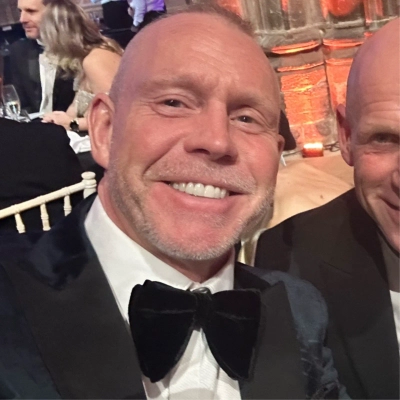
Dave WardFounder & Director, Oculus Group
Look, late payments kill small businesses. I've seen it happen. The key is staying human about it while being clear about what you need.
Here's what I do. When an invoice hits 10 days overdue, I pick up the phone instead of sending another email. I'll say something like "Hey, I noticed we haven't received payment on that invoice from last week. Is everything okay on your end or did it slip through the cracks?" Most of the time people are embarrassed and apologetic. They forgot. They didn't know there was a problem.
That conversation does two things. It shows you actually care about the relationship, not just chasing money. It also uncovers real issues. Sometimes clients are waiting on their own cash flow. Sometimes the invoice went to the wrong person. You can't fix what you don't know about.
The one consistent thing that works is treating late payers like partners, not debtors. If I find out someone's genuinely struggling, I'll work with them. Maybe we adjust the payment schedule. Maybe we push back the next invoice. But if someone's just disorganized, a quick call usually lights a fire under them in a good way.
The mistake most small business owners make is waiting too long to chase it. By day 30 you're frustrated. By day 45 you're angry. That's when relationships actually break. Hit it early, hit it personally, and keep it friendly. That's how you get paid and keep the client.
Use A Predictable Monthly Retainer

Gregory HairOwner, Landscaper, SLIDE Living
I handle late payments by asking for a short monthly retainer that secures scheduling and reduces the need to chase invoices. I only use retainers when the client has steady ongoing work and when we have a written monthly scope cap and a set review date. My message to clients is: "To keep your project on schedule we ask for a monthly retainer that covers the agreed written scope, and we will review that scope on the agreed date to adjust if needed." That clear expectation keeps the relationship professional and helps preserve goodwill while making payments predictable.
Share Raw Usage Costs And Dashboard

Kevin LourdFounder, Distribute.you
"As the founder of a small AI automation platform, dealing with late payments used to feel like a standoff between protecting our margins and keeping our clients happy. Because our underlying LLM costs are a hard external factor, a delayed payment means we actively take a loss on their usage. Usually, small businesses just send an automated, escalating reminder email. For us, lately, the one step that gets the invoice paid without ruining the goodwill is shifting the conversation to raw data. Instead of sending a standard past-due notice, we just send a direct link to their unedited API billing data and server load metrics. Our message is simply, 'Hey, your outbound volume really spiked this cycle--wanted to make sure you saw the raw cost drivers in your dashboard so we can keep your workflows running without interruption.' By just pointing to the actual, external costs dictating their invoice in real time, the friction drops. The payment usually comes through that same afternoon, and their replies stay entirely collaborative."
Keep Reminders Procedural And Warm

Saulo CannyDirector, Canny Electrics
The best way to handle late payments without damaging trust is to separate the relationship from the receivables process. We keep the tone warm but make the wording procedural: something like, "This is a quick accounts follow-up on invoice number X. Can you confirm the status when convenient?" That creates emotional distance from the issue while still signalling that the matter is active.
Clients often react badly when reminders feel personal. A process-based message feels fair, consistent, and easier to respond to. It protects goodwill because nobody feels singled out, yet it still prompts accountability. In my experience, calm structure outperforms force almost every time.