

Small Biz Leader · April 20, 2026
Small support teams face constant pressure to deliver fast, reliable service across multiple channels without burning out or letting critical issues slip through the cracks. This guide presents proven strategies from customer service leaders who have built efficient, scalable support operations with limited resources. The following tactics help teams prioritize high-impact moments, reduce operational chaos, and maintain quality as demand grows.
 RA
RA SS
SS SS
SS AM
AM JD
JD JB
JB KV
KV Ben Read · RHILLANE Ayoub · Sean Swain · Steve Schwab · Asad Mirza · Jonathan Dies · Jake Bean · Kent Vanho · Ashley Cordova · Andrew Lamb · Sharon Milani · Roland Parker · Runbo Li · Mark Bietz · James Kastelein · Chris Woods · John Baethke · Gaetano Virone · Dawn Duchess
Target High-Risk Moments With Owner Callbacks
I'm well-placed to answer this because at Mercha (B2B e-commerce for branded merch) we scaled on a small team by combining "high tech, high touch" with tight process--early on we learned the hard way what happens when you don't. We literally missed a promised post-order phone call, the order ran late, we didn't communicate, and the customer told us exactly where the experience broke.
My rule: staff the channel that best matches your highest-risk moments, not the loudest channel. For us, that's the first order + any order with production/turnaround complexity, because that's where trust is won or lost (quality, timing, brand risk). Everything else can be async if you set expectations.
One change that moved satisfaction fast: we made "first-time customer callback" a gated workflow step, not a nice-to-have. If it's a first order, it routes to a named owner and cannot be marked as progressing until the call (or explicit opt-out) is logged, and if timing shifts, the same owner must proactively contact the customer.
That stopped chaos because it reduced internal guessing and customer chasing. Fewer channels mattered when we were consistent on the promise: clear owner, clear next update, and proactive comms when reality changes.
Start With Email And Control Expectations
Email first. Always email first for a small team.
I've made the mistake of launching multiple support channels before we had the team to staff them. In 2021, we added a live chat widget to our agency website because "everyone has live chat now." Within a week, prospects were sending chat messages at 11 PM expecting instant responses. We couldn't staff it. Unanswered chats sat there for hours. The chat widget that was supposed to improve our customer experience actually made it worse because it set an expectation of immediacy we couldn't deliver.
We removed the chat, went back to email only, and response satisfaction actually improved. Email sets an implicit expectation of a reasonable response window. Nobody expects an email reply in 3 minutes. They do expect a chat reply in 3 minutes.
The framework I use for choosing support channels on a small team: start with the channel that gives you the most control over response timing while still meeting customer expectations.
Email works because you can batch responses twice daily (morning and afternoon), maintain quality by thinking through answers before sending, and easily loop in team members without the customer noticing. A 4-hour email response time satisfies 90%+ of B2B clients. A 4-hour chat response time feels like abandonment.
The second channel to add depends on your customer type. For service businesses with urgent needs (plumber called about a leak, client's website is down), add a dedicated phone line. Not your personal cell. A business line with defined hours and a voicemail system that sends transcriptions to your email for after-hours messages.
For e-commerce or product businesses, add a self-service FAQ page before adding any human-staffed channel. We've seen FAQ pages reduce inbound support volume by 30-40% for clients who implemented them. The questions customers ask are repetitive. "What's your return policy?" "How long does shipping take?" "Do you deliver to [location]?" Answer these on a page and fewer people need to contact you at all.
The rule: don't add a new channel until you can guarantee consistent response times on the channels you already have. A company that answers email in 2 hours is better than a company that answers email in 2 hours, chat in 4 hours, and phone in 6 hours.
Triage Urgency Standardize The Rest
Sean SwainCompany Owner, Detroit Furnished Rentals LLC
I'm a small-team operator with a logistics/transportation background (limousine + over-the-road freight + USPS), so I'm used to triaging "what needs a live human right now" vs "what can be standardized" while keeping service consistent across multiple units in Detroit/Chicago.
On a small hosting team, I staff channels based on time sensitivity and reversibility: urgent + safety (lockouts, access issues, HVAC/water, noise) gets the fastest channel and first coverage; everything else (check-in info, parking, house rules, local recs) gets pushed into a single written channel so it's searchable and consistent. I keep one "owner-on-call" lane for true emergencies and route routine questions to templates so we don't burn cycles repeating ourselves.
One change that moved satisfaction for us: guests kept asking for clearer property walkthroughs, so we added detailed walkthrough videos to each property page. That reduced repetitive pre-arrival questions and improved the booking experience, and we saw a 15% increase in booking conversions after implementing it.
Routing-wise, I treat every message like a dispatch: tag it (Access/Maintenance/Info), assign an owner, and close the loop with a single clear next step and timeframe. It keeps response times sane without adding more channels that just create more places to miss something.
Staff Where Complaints Concentrate
Steve SchwabCEO, Casago
Usually we'll just start by identifying if there is a particular channel that seems to have the most issues. If there are more complaints about one channel than the others, or if one consistently gets more inquiries than others, that can indicate a direct need for increased staffing there. This was largely how we knew to expand our social media team, for example, because we went through a period of time where our team wasn't able to respond to DMs and comments as quickly as we wanted.
Reduce Fragmentation Optimize Resolution Paths
Asad MirzaPresident & CEO, ContactPoint 360
The biggest mistake small support teams make is trying to be present on every channel too early. That creates fragmented staffing, inconsistent coverage, and slower response times everywhere.
The right approach is to staff channels based on resolution efficiency, not customer preference alone. We prioritize the channels where issues can be resolved fastest and most completely, then expand only when operationally sustainable.
One change that materially improved satisfaction for us was consolidating real-time support into live chat during peak demand hours while moving lower-urgency inquiries to email outside those windows.
That worked because:
- Live chat handled high-intent, time-sensitive issues more efficiently than phone
- Email absorbed lower-priority requests without forcing immediate staffing
- Agents stayed focused instead of constantly switching contexts across channels
We also changed routing so repeat or high-complexity issues bypassed general queues and went directly to senior agents.
The result was faster first responses, cleaner resolutions, and higher customer satisfaction. The broader lesson is that small teams improve service not by adding channels, but by reducing operational fragmentation. Customers value reliable responsiveness on fewer channels far more than inconsistent support across many.
Lead With Phone Educate On-Site
Jonathan DiesOwner, DFW RV Rentals
As the owner of DFW RV Rentals, providing temporary housing for families displaced by disasters means every minute counts, making efficient customer support paramount for a small team. We prioritize direct phone support first, as it allows us to immediately assess urgent, complex situations involving insurance adjusters and families in distress.
To avoid chaos, we ensure our phone line is staffed to handle immediate crisis management and urgent inquiries that often arise within our 48-72 hour delivery window. Email serves as a critical secondary channel for detailed follow-ups and documentation after initial contact.
One significant change that improved satisfaction and managed our support load was leveraging our on-site delivery and setup as the primary channel for initial customer education. Our team performs the hookups and walks policyholders through controls in person, explicitly routing routine 'how-to' questions away from our 24/7 phone support. This proactive, hands-on approach minimizes common issues and frees up our phone lines for critical problems, ensuring rapid assistance when truly needed.
Front-Load Expertise At Ambiguous Stages
Jake BeanPresident & Co-Owner, Western Wholesale Supply
As a third-generation business owner and former Navy helicopter pilot, I manage complex logistics where disciplined communication is the difference between a project staying on schedule or falling apart. At Western Wholesale Supply, we've refined our support around a four-step execution process that prioritizes technical precision over general availability.
To avoid chaos on a small team, we prioritize channels that facilitate high-accuracy data exchange, such as material estimation and plan reviews. We staff experts like Dusty and Travis to handle these technical inquiries first because getting the drywall count right upfront prevents the majority of downstream support issues and delivery delays.
One specific change we made was routing all initial contractor inquiries through a specialized "pre-bid" support channel powered by the USG Sheetrock Estimator. This shifted our mix from reactive troubleshooting to proactive consultation, ensuring our material counts and billing are accurate before the first truck ever leaves the yard.
Identify the stage where your customers face the most ambiguity--for us, it is the initial bidding phase--and staff that touchpoint with your most knowledgeable veterans. Solving a problem during a detailed plan review is far more efficient than trying to fix a delivery mistake once the crew is already on the job site.
Choose One Hub And Assign Leads
When I built out Alpha Coast's client support structure, I had to make a hard call early: don't try to be everywhere at once. We picked one primary channel -- Slack -- and staffed it properly before touching anything else. That single decision meant clients always knew where to get a response, and our team wasn't scattered across email threads, DMs, and forms simultaneously.
The routing change that actually moved satisfaction was assigning every client a dedicated account manager as their single point of contact. No ticket queues, no "someone will get back to you." Loralei handles her accounts, Aditi handles hers -- clients know the name and face behind the response. That accountability eliminated the ambiguity that kills response times on small teams.
The chaos usually comes from adding channels before you've nailed the first one. Once Slack was running clean with clear response-time expectations, we layered in weekly calls and one-on-ones without it feeling overwhelming. The channel came second; the process came first.
Give Each Client A Steady Contact

Ashley CordovaVice President, Zia Building Maintenance
Running a family janitorial business since 1989 means I've had to figure out lean communication systems the hard way--with real accounts on the line if we dropped the ball.
The single change that moved satisfaction most was assigning one consistent management contact per client instead of letting calls route to whoever picked up. Clients stopped feeling like they were starting over every time something went wrong.
What I learned from my time with Disney stuck with me here: the experience breaks down the moment someone feels unheard or passed around. So when a client calls frustrated about a missed task, they need to reach a person who already knows their building, not someone reading notes cold.
For a small team, staff the channel your clients already use to complain--not the one you wish they'd use. For us that meant being genuinely responsive by phone during business hours before worrying about anything else, because that's where trust either gets built or lost.
Apply 1-3-1 To Set Priorities

Andrew LambFounder & Owner, 4 Leaf Performance
I've led global teams for 25+ years (including two decades at HP) and I do a lot of operational due diligence now--so I've seen the same pattern in support over and over: channel sprawl creates decision bottlenecks, not better service.
On a small team, I staff by "decision criticality," not by where messages show up. Pick one primary async channel for anything non-urgent (usually email/ticketing) and one real-time path for urgent operational risk (usually phone), then publish what qualifies as "urgent" in one sentence so customers and reps stop guessing.
One change that moved satisfaction the right direction: I implemented a simple triage + decision format using my 1-3-1 method. Every inbound gets tagged by the first responder into one clear problem, three possible paths (refund/replace/repair; escalate/educate/close; etc.), and one recommendation--then only true exceptions reach a manager, which removes the "wait for approval" lag that customers feel as silence.
To avoid chaos, I assign ownership by stage, not by channel: one person owns "first response + classification," another owns "resolution + closure," and escalation is time-based (if it's blocked, it escalates) rather than hierarchy-based (it escalates because someone is senior). That keeps response times predictable even when volume spikes and prevents the team from ping-ponging tickets across inboxes.
Protect Same-Day Fulfillment With Focused Queue

Sharon MilaniCo-founder, NutriFlex®
I run NutriFlex(r) under SmartPack in Cape Town, and because we're selling Act 36 registered, human-grade pet supplements (often to stressed pet parents), support isn't "nice to have"--it's operational. The quickest way to reduce chaos on a small team is to staff the channel that already contains the most actionable requests, not the loudest notifications.
For us that was email-first, because it carries order numbers, delivery addresses, photos, and "what dose for my dog?" context we can answer cleanly. We then use the website account area ("My Account") as the self-serve hub for repeat tasks (logins, order management), so we're not burning human time on password resets and basic status checks.
One change that moved satisfaction fast: we hard-anchored same-day shipping expectations into support triage--anything that affects "orders before 13h00 ship same day" gets answered first, everything else goes into a calm queue. Practically, that means a single "shipping cutoff" window where one person is dedicated to delivery/address/order edits, and product/how-to questions get handled after the dispatch rush.
Channel mix-wise, I'm strict about keeping dosing and usage guidance in one place so we don't contradict ourselves across DMs/comments. Example: RelaxMaxtm questions ("30-60 minutes before a stressful event" vs "once daily," and the option to split AM/PM) get routed to one support thread template, so the team isn't rewriting advice from scratch every time and accidentally creating mixed messages.
Make Tickets The Single Source Of Truth

Roland ParkerFounder & CEO, Impress Computers
I've run Impress Computers (Houston MSP/cybersecurity) since 1993, and the fastest way to improve response time on a small team is to staff the channel that lets you see context and triage in one touch. For us that's a ticket-first workflow with "human-answer" intake, because it prevents the same issue from being reported three different ways and turning into chaos.
The rule I use: pick one primary intake channel, one escalation channel, and make everything else feed the primary. Primary = help desk tickets (email-to-ticket/web form) because it captures screenshots, device/user, and history; escalation = direct line for "can't work / security" issues only. Everything else (Teams/Slack DMs, texts, walk-ups) gets a canned response: "Submit a ticket so we can track and route it."
One change that moved satisfaction: we created a tight routing policy for "access and permissions" problems (VPN/shared drives/cloud files) because those are silent productivity killers. We route those straight to the tech who owns identity/access, and we require the requester to answer 3 triage questions (where are you stuck, what app/system, what changed) so we don't burn cycles guessing; it's basically the same 10-minute bottleneck diagnostic I use with clients.
It also reduced after-hours chaos: when someone emailed "urgent" at night, it used to ping three people; now only tickets tagged "down/security" page the on-call, and everything else waits for business hours with an auto-update. You still get fast response (we run a 15-minute response guarantee), but you stop rewarding random channels with instant attention.
Eliminate Sprawl Go All-In On AI

I'm Runbo Li, Co-founder & CEO at Magic Hour.
You don't staff channels. You eliminate them. That's the counterintuitive move most small teams miss. The instinct is to be everywhere, Slack, email, Discord, Twitter DMs, live chat, and then you're spread so thin that every channel has terrible response times. The better play is to pick one channel, go deep, and make it so good that customers stop looking for alternatives.
At Magic Hour, we're a two-person team serving millions of users. We literally cannot afford to scatter our attention. Early on, we noticed support requests coming in from everywhere, email, social media, in-app feedback forms. Response times were inconsistent and it felt chaotic. So we made a deliberate call: we went all-in on AI-powered self-serve support as our primary channel, backed by email as the single human escalation path. That's it. No live chat. No phone. No Discord support threads.
The specific change that moved the needle was building an AI support agent trained on every question we'd ever been asked. We fed it our docs, our most common tickets, and the exact language our users actually use when describing problems. Within weeks, that agent was resolving over 80% of inbound questions without a human ever touching them. The remaining 20% route to email, where we can respond thoughtfully instead of reactively.
Here's what most people get wrong about customer satisfaction: they think speed means instant. It doesn't. It means predictable. A user who gets a great AI answer in 10 seconds is happier than one who waits 4 minutes in a live chat queue and gets a rushed, half-baked reply from someone juggling six conversations. Predictability beats raw speed every time.
The framework I'd give any small team is this: figure out where 80% of your volume lives, then ask yourself whether AI can handle the majority of those questions. If yes, build that first. If no, pick the single channel where your team can maintain a consistent SLA and shut down everything else until you earn the right to expand.
The goal isn't to be available everywhere. The goal is to be excellent somewhere.
Align Schedules To Real Demand Peaks

We improved satisfaction by shifting support hours to match demand peaks in practice. We studied contact patterns by hour and saw most backlog forming later in the day across support channels. At that time intent was high but staffing had already reduced. So we adjusted schedules so more team members worked during peak hours for customers.
This change improved response speed without adding complexity overall. We aligned coverage with real customer behavior in a simple way for our team. We also set a cutoff for low urgency requests and handled them the next morning each day. This helped us stay consistent and reduced handoffs across the team as a result.
Use Rich Intake Forms To Centralize Requests

As a business owner who grew a small lawn care operation into a full-service exterior cleaning company, I prioritize asynchronous digital channels over live phone lines. Using a detailed online request form allows my team to review property details and satellite imagery before the first contact, ensuring we provide an accurate estimate rather than just a "hello."
I moved satisfaction in the right direction by integrating an optional photo-upload feature directly into our quote request process for services like gutter cleaning and roof washing. This allowed us to provide many quotes online without an initial on-site visit, significantly reducing the "back-and-forth" and keeping our lead times to an average of just 2-3 weeks.
We avoid chaos by funneling all inquiries--whether from social media or email--into a single response stream with a strict "one business day" turnaround goal. This centralized approach ensures that even during our busiest seasons for holiday lighting or window washing, no client is forgotten while our technicians are focused on the field.
Prioritize Voice Dispatch For Emergencies

As the owner of a third-generation HVAC and plumbing business, I prioritize a multi-line telephone system because immediate voice triage is critical when dealing with Texas heat emergencies. Our "Sudden Service" model requires dispatching skilled help 24/7, so staffing the phones first ensures we can instantly categorize urgent calls like complete cooling loss versus routine maintenance.
One change we made to move satisfaction in the right direction was implementing specific "On Call Dispatching" duties for our team to handle inquiries outside our standard 7:30 am to 5:00 pm window. This ensures that customers in San Antonio or Austin receive a real-time response for 24/7 emergency repairs instead of waiting for a callback the next business day.
To prevent chaos during high-demand seasons, we use Service Titan to keep our customer database and technician schedules synchronized in real-time. This allows our dispatchers to provide clear, concise lead times and keep clients appraised of our schedule, turning a stressful repair into a dependable, personalized solution.
Proactively Update ETAs To Free Lines
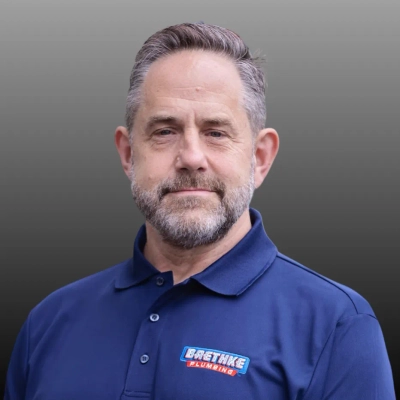
John BaethkeOwner, Baethke Plumbing
I've run Baethke Plumbing in Chicago for over 30 years and managed a small front office team handling high call volumes across residential and commercial accounts. Getting channel prioritization right was something we had to figure out the hard way.
Phone came first, always. In service plumbing, people call when something is already going wrong, so a missed call is a lost customer or a flooded basement. We staffed that channel before anything else and built the dispatcher role around someone who could handle multiple lines simultaneously while still sounding calm and human on every call.
The single change that moved satisfaction most was tightening the dispatch-to-technician communication loop rather than adding more channels. Our front office person updates customers on technician ETAs in real time. That one habit, proactive outbound calls before customers have to wonder, cut the "where is my plumber" calls dramatically and freed up inbound lines for new service requests.
Social media and online forms came last in our staffing priority, handled during lower-volume windows. Small teams break when they try to be everywhere at once. Pick the channel where a delayed response causes real damage, staff that one well, and let the lower-urgency channels follow once the core is solid.
Capture Diagnostics Fast Enforce Schedule Rules

I've run Environmental Designers Irrigation across NJ/PA/NY since 1990, and in-season "support" is literally protecting people's lawns, HOAs, and municipal fields from preventable damage. With service agreements (start-ups/winterizations) and real-time dispatching, channel choice is really a routing problem, not a comms problem.
On a small team, I staff the channel that best captures diagnostics fast: a live phone queue during field hours, because a 90-second call tells me controller brand (Hunter/Rain Bird), symptoms (low pressure, stuck zone, leak), and whether we need access inside. Anything that can't authorize work or answer follow-ups (like missed voicemails) doesn't get priority staffing.
One change that moved satisfaction for us: we made "payment = scheduling" non-negotiable (48 hours for prepaid service agreements/service calls, otherwise due at time of service), because our logistics software won't hold appointments without it. That single rule stopped the routing chaos of "soft booked" jobs and freed up real slots for the customers who were actually ready, which tightened response times without adding staff.
The other piece is matching channels to the job stage: start-ups require an adult home since we may need to enter for the controller/water and authorize repairs, so those get routed through phone scheduling only. Quick questions (like how to adjust heads or reprogram) can be deflected to manufacturer video tutorials, which keeps the staffed channel focused on real failures and saves everyone time.
Consolidate Private Support And Template Responses

Dawn DuchessFounder, DD Intimates
I run DD Intimates (sexual wellness + lingerie), so "support" isn't just logistics--it's privacy, discretion, and helping nervous first-timers feel safe. That means the channels I staff first are the ones that reduce anxiety fast and prevent sensitive info from bouncing around.
On a small team, I picked one primary lane (our contact form/email) and made everything else point to it, because it forces clean triage: order/shipping issues, product/how-to questions, and "I'm nervous to buy this" guidance. Then I wrote FAQ answers that match the real tickets we see (discreet plain packaging, secure checkout, shipping windows, and the "no returns unless defective" policy) so fewer people need a human for the basics.
One change that moved satisfaction: I added a strict "tag + template" routing inside email so the first reply is immediately useful. Example: anything with "wrong/missing/damaged" gets a short checklist reply asking for order number + what's missing + photo if damaged, and we ship the correct item at no additional cost--no back-and-forth, no oversharing, no chaos.
For channel mix, I intentionally didn't staff DMs as support; I treat DMs/comments as education only and push private issues to the form. In sexual wellness, keeping support in one secure, trackable place protects customers and keeps response times predictable.