
How to Manage Stress as a Leader
Leadership stress is real, relentless, and requires proven strategies to manage effectively. This article compiles practical advice from experts in leadership and wellness who have helped executives stay grounded under pressure. From building non-negotiable routines to recognizing when to pause, these insights offer actionable steps for leaders at every level.
Make Workouts Nonnegotiable, Anchor One Metric
Managing stress as a founder is less about avoiding pressure and more about building routines that keep you centered no matter what's happening. The thing that's helped me the most is treating my workouts like non-negotiable meetings. When I was starting Eprezto, I worked constantly, weekends, late nights, everything. That pace eventually catches up with you. Your anxiety spikes, your decision-making gets worse, and you start reacting instead of leading.
So I made one rule: if a workout is in my calendar, it happens. No rescheduling. No excuses. That hour is the only time of the day where I'm not thinking about CAC, funnels, or product decisions, and that reset is what keeps me grounded. The other technique that helps is focusing on one meaningful metric each week. When everything feels chaotic, anchoring myself to one number simplifies my thinking. It pulls me out of the emotional noise and back into something concrete.
For me, staying grounded isn't about meditation retreats or long breaks, it's about small, consistent habits that keep my mind clear enough to lead. If my energy is steady, the company feels it.
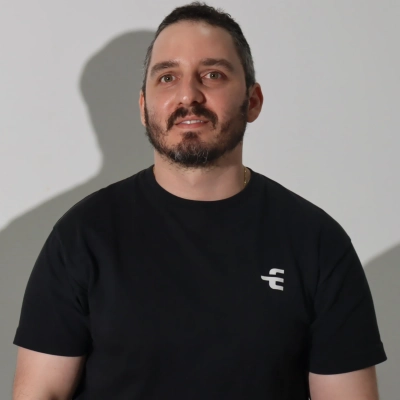
Treat Emotions as Data, Guard Essentials
I manage stress the same way I teach leaders to: by treating my emotions as data, not distractions.
When pressure builds, I don't ignore it or push through it. I pause and ask: What is this stress telling me? Is it a signal that I'm overcommitted? That I need support? That I'm avoiding a hard conversation? Most of the time, stress isn't the problem, it's the messenger pointing to something I need to address.
Self-awareness is my first line of defense. I know my triggers. I know when I'm slipping into perfectionism or taking on too much because I don't want to disappoint people. Recognizing those patterns early keeps me from spiraling.
I use affirmations religiously. They're on my phone, my laptop, everywhere I look. When stress makes me question my capacity, those reminders ground me back in truth. What I think becomes my reality, so I'm intentional about the narrative running in my head.
I rely on my inner circle. Leadership can feel isolating, especially as a solo entrepreneur. When the pressure feels heavy, I reach out to my mentors, my closest friends. The people who remind me of my strength when I've temporarily forgotten it. That's not weakness. That's emotional intelligence in action.
I protect my non-negotiables. Movement, sleep, and time away from screens aren't luxuries, they're how I stay sharp. I can't lead anyone well if I'm running on empty.
And honestly? I give myself permission to be human. I don't have to have it all figured out. I don't have to show up perfect. Some days I lead from a place of confidence. Other days I lead from a place of courage. Both are valid.
Staying grounded isn't about eliminating stress, it's about building the self-awareness and support systems that help you navigate it without losing yourself in it.

Enforce an Input-Free Recovery Window
Enforce an "Input-Free" Protocol". I manage pressure by treating recovery as an operational requirement, not a luxury. My core strategy is the weekly 'Input-Free' evening: a strict window where absolutely no new information, emails, podcasts, or metrics, is allowed to enter my brain. As a leader, stress often comes from 'decision fatigue,' and this protocol forces my mind to switch from reactive mode to synthesis mode. It also sends a powerful cultural signal to my team/clients: high performance is sustainable only when you protect the mental space required to make clear, non-emotional decisions.

Return to Mission, Foster Candid Community
As the leader of Legacy Online School, I wear many different hats: co-founder, strategist, listener, and cheerleader. There are days when the burdens of responsibility weigh heavily on me; deadlines, student needs, teacher support, innovation. I have learned that the most productive way to cope with stress is not to just "power through" but to connect to what matters.
One method that I have used for many years is what I refer to as a "purpose reset." When I feel overwhelmed, I will physically step away from the computer, close my eyes and think back to the reason I started this journey to provide all children access to an education, to support teachers who are passionate about being mentors, and to foster a community that believes that learning can happen anywhere. The purpose reset reminds me that Legacy is not only a business; it represents hope, potential and actual lives changing.
I also tap into "real" conversations. Instead of suppressing my feelings about the stress that I experience, I take time out of my schedule to talk with our teachers, parents and other co-founders. I talk with them not just about numbers or performance, but also about fear and doubt and small successes. Talking about what is tough for others does not mean the leader is "weak." It gives the leader the chance to express empathy for others, build sincerity and foster shared accountability.
Finally, I use creativity as my release valve. Sometimes I sketch ideas on paper or map out a new program late at night with a mug of tea. Other times I take a walk outside, watch how the light hits the trees, and let that moment reset my mind. These small rituals keep me present and steady.
Leadership can feel like walking a tightrope, but when you anchor yourself in purpose, community, and honesty, that rope starts to feel a lot more like a bridge.

Prioritize, Split Tasks, Steady Breath, Seek Support
I manage stress by setting clear priorities and breaking tasks into smaller steps. I take deep breaths and practice mindfulness to reset my mind. I exercise regularly and take short breaks to help me recharge. I also lean on trusted colleagues for support and perspective when pressure builds.

Run a Tight Daily Cadence
I manage stress with a consistent daily routine, which keeps me organized and clear about what needs to happen each day. To maintain clarity, I begin each morning with a brief team meeting to prioritize and eliminate confusion that could lead to pressure later in the day. I then focus on my primary tasks using a simple system of 3 tasks or less each day to reduce distractions and allow me to stay productive without overloading my mind. Finally, I create an absolute cutoff time in the evening so that I can reset my mind for the next day. This routine of establishing early alignment with the team, providing prioritized direction and limiting the amount of time I work allows me to be a grounded leader while reducing the likelihood that any stress will carry over into the next day.

Check Fuel, Pause Before Next Move
My self-assessment for evaluating the amount of pressure I'm under or relying solely upon my impulse to produce is by asking myself the question: "Am I running on fuel or only rushing through because of adrenalin?"
Therefore, when under pressure, I can ask myself this question and then reflect upon my energy levels to help me determine if I should take the next step forward or change course. If I find that I'm running on adrenaline, I will take some time off until I have regained my focus.
Regularly assessing myself in this manner gives me a steady foundation for my decisions and keeps me grounded while creating an environment where I can set sustainable goals for both myself and the team I work with.

Define Control, Recenter on Service
As a leader, I've learned that what really drains you isn't the problem itself, but the urge to control everything. So I'm very intentional about separating what I can control from what I can't. When decisions start piling up, I come back to three simple questions: What decision can I make today? How can I support my team right now? And what's one thing I can explain more clearly? When I focus there, the lines get clearer. The situation may not get easier overnight, but I feel steadier because I know I'm doing the work that's actually mine to do, instead of getting pulled around by uncertainty.
But logic alone isn't enough. What really helps me stay grounded over the long run is reminding myself why I do this work in the first place. In personal injury law, we're not dealing with abstract cases. We're dealing with real people. People who are hurt. People who've lost income. People who are scared and unsure about what comes next. When I focus on that purpose of helping real people through a hard moment, it resets my perspective. The pressure doesn't disappear, but it stops running the show. I get clearer about what deserves my time and energy, and what I can let go of.
To me, leadership isn't just about making decisions. It's about holding steady when things get noisy and keeping your boundaries clear.

Design Systems That Absorb Pressure Early
1. Separate the Signal from Noise
Not all problems deserve emotional weight.
I'm always asking:
- Is this reversible?
- Does it matter in 90 days?
When both are "no," I'll put that down and then let it go.
This simple filter removes a huge amount of mental load.
2. Externalize stress through writing
Instead of holding stress in our heads, I push it into:
- Decision documents
- Risk lists
- "What I know / what I don't know" notes
Writing transforms vague anxiety into concrete problems-and concrete problems are solvable.
3. Command the calendar, safeguard thinking time
Pressure often comes from reactivity, so I block:
- Non-negotiable focus time
- No-meeting windows
- One weekly "thinking slot" without agenda
Better decisions decrease stress more than any productivity hack.
4. Create personal "off-ramps" throughout the day
I use brief rituals for resetting:
- 15-30 minute walks
- Breathing resets between meetings
- Stepping away from screens after high-stake decisions
Stress compounds when there is no pause between contexts.
5. Share pressure, don't absorb it
One of the biggest leadership mistakes is silently carrying everything. For me, I always do:
- Share context early
- Clearly delegate ownership of decisions.
- Say out loud, "this is the trade-off".
Transparency reduces isolation—and isolation amplifies stress.
6. Anchor on first principles
When things get crazy, I come back to:
- What is the actual problem to solve?
- What does success look like this quarter?
First principles cut through panic and re-center priorities.
In one sentence: Design your leadership system so it absorbs stress before you do; Good processes, clear ownership, and written thinking reduce pressure more reliably than "mental toughness."

Use CBT Tools, Slow Down Deliberately
I manage stress by noticing it early and working with it instead of trying to power through it. When pressure builds, I slow things down on purpose. I ask myself what exactly is stressing me right now and what part of it is actually in my control. That alone usually reduces the intensity.
I also use simple CBT techniques. One is reframing. If my mind jumps to worst-case scenarios, I challenge that thought and look for a more balanced explanation. Another is breaking problems into smaller, concrete steps so they feel manageable instead of overwhelming.
To stay grounded, I keep a few non-negotiables. Short walks without my phone, breathing resets during the day, and checking in with my emotional state rather than ignoring it. I also regularly "talk things out" with Aitherapy. Structured reflection helps me think more clearly and respond instead of react.
Stress doesn't go away as a leader, but with the right tools, it becomes something you can work with rather than something that controls you.

Protect Clarity, Lead with Structured Focus
Managing stress as a leader starts with protecting clarity before pressure takes over. Staying grounded comes from knowing what actually deserves attention today versus what can wait. The most effective technique is setting firm priorities and revisiting them often so decisions are not driven by urgency alone. Creating space between meetings, writing things down, and limiting reactive communication helps keep perspective intact. Calm leadership is built through structure, not willpower.
That mindset is central to how Scale By SEO operates. Search performance, client expectations, and algorithm shifts can create constant pressure, yet steady results come from disciplined pacing and clear thinking. Scale By SEO focuses on data, intent, and long term direction rather than daily noise. Stress stays manageable when decisions are anchored to strategy instead of emotion. Grounded leadership sets the tone for the entire team. When leaders stay focused and composed, execution improves and pressure stops cascading through the organization.

Root Operations in Process and Presence
How do you manage stress and pressure as a leader
I manage stress by anchoring everything in process clarity. In construction and property setup, stress usually comes from ambiguity, whether it is unclear scope, shifting timelines or trades overlapping without coordination. When I feel pressure rising, I revisit the workflow and look for where expectations need to be reset or responsibilities better defined. That structural approach keeps stress from becoming personal because the solution becomes improving the system rather than overextending the individual.
What techniques or strategies do you use to stay grounded
A technique that keeps me grounded is staying physically engaged with the work. Walking a project site, inspecting finishes or checking a staging setup reminds me that leadership is not only strategic but also tactile. It resets my focus and prevents the type of distance that lets small issues snowball. I also set short daily checkpoints for my team so there is a rhythm of communication rather than bursts of urgency. Predictable touchpoints create predictable outcomes and that steadiness is what keeps a team grounded.

Create Distance, Safeguard Personal Life
I make sure that I don't allow the stress and pressure I feel to bleed into my personal life. It can be hard to do this, so sometimes I have to be a bit more proactive about how I keep that from creeping in. One thing I often do is spend my weekends away. I'll camp, or stay at a rental outside my city, or visit family. When I can completely break free from my routine, including being away from my home (and my home office), that makes a huge difference.

Meditate, Practice Gratitude, Trust the Journey
I find that spirituality helps me, I meidtate every evening and morning to stay aligned with my goals and for experiencing knowing and the feeling of it will all come good. I then practice grounding every day to remind myself of the good things we have. 70 years ago they couldn't have a hot shower, we are incredibly lucky to be living right now. Work hard and play the game of life but when you leave you go out with nothing so enjoy every moment. This attitude means I rarely experience stress even when moving at speed.

Shorten Loops, Build Buffers, Humanize Priorities
In a supply business, stress often comes from uncertainty. I handle pressure like I do stock: I shorten feedback loops and create buffers early, not rely on last-minute efforts. I stay grounded by walking around, chatting with my team, and breaking big problems into simple next steps that help our customers and protect the team. I also use AI to clear mental clutter. It helps me summarise emails, draft updates, and organise notes. This way, I can focus my brain on judgement calls and people, not admin tasks. Real discipline means knowing what not to react to. Calm leadership is often just prioritising with a human touch.

Delegate Well, Honor Five Minute Rule
Managing stress as a leader in a demanding service industry like HVAC really comes down to disciplined delegation and detachment. The pressure is constant—especially during a brutal San Antonio summer—but I realized early on that I couldn't be the firefighter and the architect. My core strategy is to trust the systems and the people I've put in place to handle the daily emergencies, allowing me to focus only on the major threats and long-term vision.
One key technique I use to stay grounded is what I call the "Five Minute Rule." When a major problem lands on my desk—a crisis, a big equipment failure, or a difficult personnel issue—I give myself exactly five minutes to feel the immediate stress or anger. After that timer goes off, the emotion is locked down, and my brain shifts entirely to problem-solving mode: what is the next logical step, and who is the right person to handle it? This prevents the immediate pressure from overwhelming the rational decision-making process.
The most crucial strategy for long-term health is making sure my world isn't 100% defined by Honeycomb Air. That means blocking out time to be fully present with my family and disconnecting completely from email, which we talked about before. You have to actively build a life outside of work to maintain perspective. When I step away, I realize that the pressure of the business is real, but it's manageable, and my effectiveness as a leader is tied directly to how well I maintain my own peace.

Take a Break, Reset Perspective
That's a good question. When I feel overwhelmed, I usually take a break. Sometimes, it's a lunch break that helps me reset. Other times, I focus on a different task for a while before returning to the more stressful one. I also find that taking a step back and meditating for a minute or two can help me refocus and approach the task with a clearer mind.
Stop, Breathe, Feel Ground, Then Act
I manage stress and pressure as a leader the same way I learned to manage it in the mountains, by grounding myself before I make the next move.
One of my earliest lessons came while skiing in Alaska.
I was standing at the top of a big, intimidating line, the kind of slope that makes even experienced skiers breathe a little faster. The guide dropped in first and disappeared over the roll. Suddenly it was my turn, and the pressure hit me hard. My legs shook. My heart raced. Every doubt I'd ever had showed up at once.
The mountain didn't care how nervous I was.
It wasn't going to shrink for me.
There was no other way down, I had to rise to meet it.
In that moment, I remembered something simple my ski coach once told me:
"When you feel out of control, stop. Plant your poles. Feel the snow beneath you."
So I did.
I paused.
I pressed my poles into the snow.
I took one slow breath.
And then another.
With every breath, my mind settled and the noise quieted.
The slope didn't change, but I did.
I shifted from panic to presence.
Only then did I drop in, and the run became one of the best of my life.
That moment shaped how I lead today.
When pressure builds, I come back to the same tools:
* Stop before reacting
* Take one grounding breath
* Feel my "snow" the reality beneath my feet
* Choose my next turn with intention, not fear
Leaders often believe they must charge ahead no matter what.
Skiing taught me the opposite.
When the mountain gets steep, grounding yourself is not a pause—it's a power move.
It's the reset that turns pressure into clarity and fear into action.