


Small Biz Leader · August 10, 2026
Small local businesses often struggle to attract customers in competitive markets, yet some have found success through strategic partnerships with neighboring shops and services. This article compiles proven cross-promotion tactics from business owners and industry experts who have used collaboration to increase foot traffic and revenue. The strategies that follow are practical, low-cost approaches that independent retailers, service providers, and trade professionals have tested in real-world conditions.






 Andre Oentoro · Jason Hennessey · Fahad Khan · Ihor Lavrenenko · Josh Qian · Josiah Roche · Joseph Depena · Ben Hathaway · Ray White · Jeff Jennings · Carolyn Vasquez · Yusuf Okhai · Brayko Budakov · Greg Nakata · Ryan Hess · Jono Farrington · Brittany Weber · Henter Timea · Recia Swanson
Use Threshold Incentives With Trackable Reciprocity
Andre OentoroCEO and Founder · Breadnbeyond
I look for partners with an overlapping but non competing customer base, similar price point, and complementary timing. If I'm running promotions for a local business, I want a partner whose customer visits on a different day or time of week so we're expanding reach rather than splitting the same pie.
The structure I favor is a reciprocal offer with a built in tracking mechanism, something as simple as a unique code or a stamped card, because without tracking you're just guessing at whether the partnership worked.
The move that consistently delivers results is designing the offer around a threshold rather than a flat discount. Instead of "10% off," we've had far better results with something like "spend $40, get $10 off your next visit at our partner."
That structure protects margin because it requires a real purchase first, and it creates a second visit instead of just discounting the first one. We ran this with a coffee shop and a boutique fitness studio near one of our office locations, and over a ninety day window the studio saw roughly 22% of redemptions convert into repeat customers who hadn't visited before.
That kind of return convinced both owners to make it a standing quarterly program rather than a one off.
Lead With Concierge Handoffs After Checkout
Choosing a local cross promotion should look more like building a referral system than swapping logos. The strongest partners have reputational alignment, similar price sensitivity, and customers who trust recommendations at the point of purchase. Nearby matters less than adjacency in customer behavior. If one business solves the before and the other solves the after, traffic converts better and both sides protect margin.
An offer that delivered real sales used a concierge handoff. After checkout, staff asked one qualifying question, then texted the partner a warm introduction with the customer copied. I have seen more revenue come from that live transfer than from printed coupons or social posts. It worked because trust moved with the introduction, and the customer never had to restart the decision from zero.
Trigger Dual-Visit Deals With Receipt Proof
Fahad KhanDigital Marketing Manager · Ubuy Sweden
Spent about a year doing cross-promotions that felt mutual and mostly weren't, where we'd promote another business to our audience, and they'd do the same, and neither of us could tell whether it had done anything.
The partnership that actually delivered measurable results had one structural difference. Instead of exchanging promotions separately, we built a combined offer that required visiting both locations, a discount that activated only when customers showed a receipt from the other business.
Customers who came through that mechanism converted at roughly twice the rate of regular foot traffic because the receipt pre-qualified intent in a way that a generic promotion didn't.
The outreach move that made the partnership happen was leading with the specific customer overlap rather than a general idea of mutual promotion. Brought anonymized data showing how many of our customers lived within walking distance of their shop, which made the conversation concrete immediately.
According to the International Council of Shopping Centres, cross-promotions between complementary local businesses increase transaction frequency by around 20 per cent when the offer requires genuine engagement from both sides rather than passive awareness.
The partnership ran for about four months before the other business changed ownership. Revenue attributed to cross-referral customers during that period was somewhere around $18,000.
Target Key Life Moments With Inserts
Ihor LavrenenkoOwner · Smarfle CRM
The move that actually worked for our pest control clients at Rathly: pair with the local business that shares your customer's calendar, not your customer's category.
Most cross-promotions fail because two businesses in adjacent categories (say, a lawn care company and a pest control company) assume overlap means partnership potential. It rarely converts, because the customer already has a mental slot for "who I call for bugs" that is separate from "who I call for the lawn."
What worked instead: we partnered a pest control client with a real estate closing attorney's office. New homeowners get a pest inspection recommendation in their closing packet, and the pest control company hands new customers a discount code for the same attorney's next-home referral network. Both sides are catching the same person at the SAME life event, not the same service category. That is the structuring move: find the event, not the category.
The outreach that made it stick was a split-cost printed insert, not a digital ad. Two local businesses splitting a $200 print run for 500 closing packets outperformed a $200 joint Instagram post by a wide margin, because it arrived at the moment of actual need instead of a random scroll.
Issue Co-Branded Equity Certificates With QR
Josh QianCOO and Co-Founder · LINQ Kitchen formerly BestOnlineCabinets
For us, the most effective way to set up local cross-promotions that convert well is to find businesses with no competitive overlap in their marketing efforts but targeting the same demographic audience at the same point in their homeownership or remodeling journey, like high-end interior design firms, luxury appliance stores, and tile contractors.
Then you can build a deal around a clear, verifiable, closed-loop transaction-based relationship. Instead of using inactive promotional materials like flyers or untrackable social media posts to promote each other, the one promotion format that has consistently generated measurable sales is a co-branded Design and Appliance Equity Credit voucher. In this arrangement, once a client completes a project and reaches a minimum dollar amount spent with your partner company, they will be issued a serialized, non-assignable equity credit certificate toward the purchase of our custom cabinetry. At the same time, we will issue an equivalent equity credit certificate to your clients for use at their store, utilizing the same QR code technology for both partners so that all redemptions may be tracked by your shared commission structures for your respective sales personnel.
Pair Clear Steps And Show A Plan
Josiah RocheFractional CMO · JRR Marketing
A paired offer with a clear next step works better than vague "support local" promos. One campaign for a suburban cafe and a nearby pilates studio offered "buy 5 classes, get a free coffee flight" on one side, and "spend $25 at the cafe, get a 7-day studio pass" on the other. Each reward was low-cost for the business giving it, but high perceived value for the customer. Over six weeks, the studio tracked 43 pass redemptions and converted 11 into paying members, while the cafe saw about 70 extra visits tied to the offer cards.
The structure matters more than the poster in the window. The best pairings share the same customer routine, but solve different needs in the same week: cafe and pilates, barber and menswear, florist and bridal studio. Each side needs its own code, QR link, or redemption card so traffic can be traced, and the offer should expire in 14 to 30 days so people use it now, not "sometime".
One outreach move that's worked well is bringing the full draft to the first meeting instead of pitching a vague idea. I've had better response when the other owner can see the offer, landing page, staff script, redemption method, and who pays for printing in one page. That cuts friction, sets expectations early, and makes it much easier to launch within a week instead of letting the partnership stall.
Build Two-Way Referrals With Unified Intake
Joseph DepenaOwner · VP Fitness
As founder of VP Fitness in Providence, I've built our boutique model around community ties and referrals that drive real member growth. My work with local networks like physical therapists and corporate wellness programs has shown what actually converts traffic both ways.
I choose partners whose clients already need what we offer, such as injury recovery or consistent training support. We focus on providers who value measurable progress over volume.
The structure that works is a simple two-way referral loop: they send clients needing ongoing coaching, and we route members toward their specialized services. This keeps both sides accountable without extra marketing spend.
One outreach move that delivered was contacting a nearby physical therapist directly with a shared intake form proposal. Their patients started seeing our trainers for post-rehab plans, and we gained steady new members while they filled their appointment slots faster.
Swap Bouquet Vouchers For Ring Buyers
Teaming up with the florist down the street worked surprisingly well. We made a straight-up deal: couples who bought rings from us got a voucher for their wedding bouquet, and vice versa. We tracked it all with simple codes, so it was easy to manage. That idea brought in way more foot traffic for both of us, and our sales climbed. Sometimes the simplest ideas are the best.
Bundle Emergency Solutions For Same-Day Wins

Choosing and structuring local cross-promotions starts with picking partners who share the same customer moment, not just the same neighborhood. For example, I partner with HVAC techs, restoration companies, and even property managers—people whose customers often discover a plumbing issue right after using their service. I keep the structure simple: one clear offer, one tracking method, and a tight time window so both sides can measure results. We use unique referral cards or QR codes so we can see exactly where each call or job came from.
One cross-promotion that worked especially well was a "same-day fix bundle" with a local water damage restoration company. When they got a call about a leak or flood, they handed the customer a card for priority plumbing service with a small discount, and I did the same when I found damage beyond the pipes. I remember a homeowner who called them for a soaked basement, and because of that bundle, I was on-site within the hour fixing a burst pipe before more damage spread. That one partnership consistently turned emergency calls into two paid jobs instead of one, and both of us saw repeat business because we solved the full problem faster.
Partner With Realtors For Move-In Checkups

Jeff JenningsStrong Heating and Cooling LLC · Strong Heating and Cooling LLC
The best move we made was teaming up with local realtors. We gave their clients a free seasonal checkup right before they moved in. Agents loved having a reliable guy to call, and we proved we knew our stuff on the spot. If you try this, hand out physical vouchers and follow up. That word of mouth really kept the phone ringing for us.
Guarantee Turnovers And Secure Manager Introductions

Carolyn VasquezFounder · Ready Rental Cleaning
The cross-promotion that actually worked wasn't a joint social post or a shared flyer. It was a direct referral arrangement with local property managers who don't run their own cleaning crews.
I offered them one thing they needed: reliable turnover coverage on tight guest-changeover windows, so units never sit dirty between checkout and check-in. In exchange, they refer new hosts to me instead of searching cold.
The offer design that made it work was narrow and specific, not a broad partnership pitch. I didn't ask to cross-market in general. I asked for referrals in exchange for guaranteed turnover coverage on their properties.
Broad partnership asks get ignored. Specific, narrow asks get answered. Build the offer around one operational problem the other business already has, not around joint marketing.
Place Refills In Coffeehouses And Empower Staff
Yusuf OkhaiManaging Director · ION8
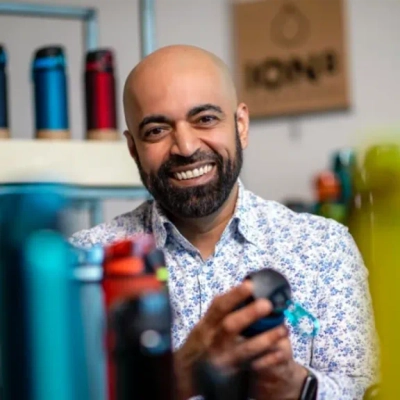
Partnering with local eco cafes was the best move for ION8. We set up refill stations and gave anyone with our bottle 10% off coffee. Baristas mentioned the deal at the register, and we put the info inside the box. We tracked it by counting redemptions. Keeping it simple and letting the staff mention it in person actually brought in real customers and sales that stuck.
Design Event Tees And Sell Onsite

Brayko BudakovFounder & Owner · Devil Walking Ltd
For Devil Walking, we teamed up with a nightclub to design shirts for their event. Staff wore them and we sold limited versions at the door, which got people talking. Managing the stock was a pain, but it worked because ticket holders also got a discount online. Just pick a theme you both actually like and hit up the email lists.
Trade Roof Insights For Owner-Ready Documentation

Greg NakataGeneral Contractor · GNAK Roofing Services
My background is in commercial lending and collateral evaluation, which means I've spent decades understanding how businesses on the same street affect each other's asset value. That perspective changed how I approach cross-promotions entirely.
The angle I've found most productive is targeting businesses dealing with the same property owner at a different stage of a decision -- commercial property managers, facility maintenance companies, and HVAC contractors working on rooftop units. When an HVAC crew is already up on a flat roof replacing equipment, they're seeing membrane conditions, ponding issues, and compromised penetrations that the owner doesn't know about yet. I've structured arrangements where they flag it, we follow up with a documented inspection report, and the property owner gets a clear picture before a small problem becomes a capital emergency.
The specific offer that made it work was giving the referring party something tangible to hand over -- not a discount coupon, but a one-page commercial roof condition summary that looks professional enough to sit in a property file. That reframed the referral from "my buddy does roofing" to "here's documentation you actually need." It fit the way commercial property owners think about their buildings.
The outreach move was positioning the partnership around the documentation itself, not the labor. Churches, industrial shops, and warehouse owners in Clay County respond differently when the conversation starts with "here's how this protects your asset value" rather than "we fix roofs." That framing came directly from my lending background, and it's what made commercial partners take the arrangement seriously.
Offer Closing Credits With Broker Checklists

Ryan HessPartner · Capstone Land Transfer
The best cross-promotions happen when both sides want the same thing. At Capstone, we teamed up with mortgage brokers to give buyers a checklist and a closing cost credit if they used us both. It closed more deals for everyone. We kept it simple so we could track the numbers. If you're starting out, just call people directly and pick one thing to test. You can fix what isn't working later.
Share Perks And Tie Rewards To Lessons

Jono FarringtonFounder & Owner · The Equestrian
When I set up cross-promotions for The Equestrian, I look for real audience overlap. We did a giveaway with a local tack store where their shoppers earned double loyalty points and could win a riding lesson. It brought in new faces for both of us and they came back. I've found the offers that work best are good for everyone involved, like shared perks or a special bundle.
Start Small With Concrete Customer-First Benefits

Brittany WeberMarketing Manager · Wightman Telecom
The way I choose a partner is to look for a business that shares our customers but not our product, so we are complementary rather than competing for the same sale. A local partnership works when both audiences genuinely overlap and neither side feels like they are just handing over their hard-won customers for nothing. So before anything else I ask whether their customers would actually be better off knowing about us, and whether ours would thank us for the introduction. If the answer is no, no clever offer will save it. If the answer is yes, the promotion almost writes itself, because it is doing both audiences a favor rather than interrupting them.
The offer design that made partnerships actually deliver was giving each side's customers something real and specific from the other, rather than a vague discount neither business stood behind. A token ten percent off tends to get ignored, but a genuinely useful perk that clearly came from a business you already trust gets used. The outreach move that mattered most was starting small and concrete rather than proposing a grand ongoing alliance. I would suggest one simple, easy-to-run promotion first, prove it moved real traffic both ways, and only then expand. Local owners are protective of their customers, and rightly so, so earning that trust with a small win first is what turned one-off swaps into partnerships that actually stuck.
Host Weekly Family Hours In Quiet Cafes

Henter TimeaFounder · The Governess & Co.
The one that worked for us was not a discount or a joint flyer. It was a recurring event in someone else's space.
We host a weekly morning for mothers and babies at a local cafe. They give us the room on a quiet weekday morning, we bring the activities and the staff, and families come for a couple of hours. The cafe fills tables it would not otherwise fill. We spend two hours in a room full of exactly the people we serve, with no pitch involved.
The design matters more than the partner. Pick a business whose slow hours match your customers' free hours, so neither side gives up revenue. Make it recurring, because in a service business trust is built by being the same face three weeks running.
We have placed nannies with families who first met us there. Nobody was sold anything.
Run Joint Workshops And Prove With Redemptions

Recia SwansonFounder & Owner · New Beauty Company Aesthetics Academy
We worked with a local wellness studio for skincare workshops. Seeing people actually bring back those discount cards proved it worked. Giving real tips and doing demos got people way more interested in our services than any online ad ever did. If you can, try mixing your skills into one event. It feels better for the audience and helps the business grow.