


Small Biz Leader · October 14, 2026
The right hire is revealed by more than a polished résumé or confident interview. This article shares practical questions, trial tasks, and real-world tests that expose judgment, integrity, and accountability. Insights from hiring experts show small businesses how to make stronger decisions with greater confidence.
 CP
CP EB
EB CA
CA AD
AD VS
VS BH
BH SK
SK Jon Schneider · Christopher Pappas · Ernie Bussell · Cristina Amyot · Andrew Day · Victor Smushkevich · Brian Hansen · Sherif Koussa · Scott Shirley · Kenneth White, Esq. · Micheal Ouellette · Abla Jad · Tavares Beverly · David Wright · Jonathan R. Marko · Marina Portna · Jessica Gutowski-Slaydon · Bill Hogan · Chrissy Grigor · Trevor Jones · Margaret Martens · Krista Stout · Tom Knox GAICD · Sebastien Gaddini · Lonny Nodelman, DPM, FACFAS
Define Success, Probe Tough Calls
Jon SchneiderPresident and Founder, Recruiterie
When a role requires trust and judgment, a small business should reduce guesswork by defining what “good” looks like before the interviews start. I begin by creating a simple success profile that lists the top three outcomes the person must deliver in the first 3 to 6 months, along with the behaviors you expect to see along the way. Then I use one consistent, structured question for every finalist: “Tell me about a time you had to make a tough judgment call with incomplete information where trust was on the line. What did you do, and what happened after?” Listen for how they gather facts, how they communicate, what values guided them, and whether they take responsibility for the result. Ask follow-up questions that press for specifics, not general statements, so you can separate confidence from real decision-making skill. This one step makes the interview about evidence and judgment, not just a strong resume or a polished story.
Test Uncertainty With a Decision Memo
We ask finalists to write a brief decision memo after reviewing an incomplete scenario. They must recommend a next step, explain what they do not know, and identify who should be consulted before the decision is final. The task takes little time, but it shows whether someone can organize uncertainty without becoming passive. We focus less on whether their recommendation matches ours and more on how clearly they reach it.
We look for a clear distinction between facts, assumptions, and risks throughout their reasoning. Strong candidates also explain how they would communicate the decision to people affected by it. This shows practical judgment and an ability to move work forward without creating confusion. We value that balance because it helps small teams make progress while preserving trust.
Expose Integrity Through Unnoticed Error Stories
My background as a Navy Quality Assurance Inspector on nuclear missile systems taught me that technical qualifications mean nothing without procedural discipline and personal accountability. Building an in-house team at Your Home Solar requires finding people who uphold high standards even when no one is watching.
The interview question I rely on most is: "Tell me about a time you caught a mistake or shortcut that nobody else noticed, and walk me through how you resolved it."
Candidates with real integrity and judgment don't just explain how they fixed the immediate issue. They focus on where the process broke down and take complete ownership of the solution without deflecting blame.
Pair Behavioral Questions With Frank References
Cristina AmyotPresident, EnformHR
I've spent 17+ years helping small businesses hire without an internal HR team, so this situation comes up constantly -- especially when "culture fit" and trust matter more than a polished resume.
The single most revealing interview question I use: *"Tell me about a time you made a decision at work without having all the information -- what did you do and how did it turn out?"* That's straight behavioral interviewing using the STAR method, and it cuts through rehearsed answers fast. Candidates who've actually exercised judgment can walk you through it. Candidates who haven't will give you a vague non-answer about "staying calm under pressure."
For the trust piece specifically, I'll also ask references a pointed question: *"Would you give this person access to sensitive information or clients without supervision?"* Most reference calls are fluffy -- that question breaks the pattern and gets you a real answer.
One structural step I always recommend for small businesses: build a simple, written job description before you start interviewing, even just a one-pager. It forces you to articulate exactly what judgment calls this role requires, so you're not unconsciously deciding during the interview based on gut alone. That's when bias sneaks in and "trust" becomes a gut feeling rather than a defensible decision.
Test Drought Judgment During Property Walkthroughs
Running Advanced Quality Lawn across Northeast Ohio with over 30 years of industry experience behind the business, our technicians work independently on properties every day where trust and field judgment are vital.
My favorite trial step is a property walkthrough where I ask: *"If you arrive at a scheduled yard treatment and find the turf is under extreme drought stress or conditions aren't right, what is your next move?"*
The candidate who chooses to pause the application and communicate with the property owner rather than rushing through just to complete the stop demonstrates true judgment. That mindset proves they will treat every property with care and uphold our full-program service guarantees when working alone.
Run Paid Trials With Built-In Omissions
Victor SmushkevichFounder, Tested Media
A resume shows skills. It can't show what someone does when nobody has told them what to do, and that's what trust and judgment actually are in a small business.
So I use a short paid trial task, and I leave one thing out of the brief on purpose. Maybe a missing deadline, or a detail that conflicts with another detail. Then I watch what they do with the gap. The strong fits ask a sharp question or state the assumption they're making and keep going. Others guess and hand it in, and some freeze until someone rescues them.
Paying for it matters. It keeps the arrangement honest, and good people don't mind being paid for their time.
The interview question I like goes with it: tell me about a decision you made without being able to ask anyone, and what you'd change about it now. People with real judgment can name the part they got wrong without getting defensive. People who only look qualified tell me it went perfectly.
In a small shop one bad hire costs more than a slow one, so I'd take the extra week to run the trial.
Probe Accountability for Quiet Corrections
Brian HansenPresident, Rocket Pilots
I ask candidates what they would do if they discovered an error they made had gone unnoticed and could be corrected quietly. The question is direct, but the follow up matters more. I ask who they would tell, what they would document, and how they would prevent repetition.
A credible response includes proportionality. Not every mistake requires a broad announcement, yet meaningful errors should not be buried simply because correction is possible. Strong candidates explain how they would assess impact, notify the appropriate person, and preserve trust through transparency. This question works because it moves beyond ideals into practical accountability. In a small business, character is often visible in the choices made when nobody is demanding an explanation.
Require Principled Pushback Against Unsafe Exceptions
Judgment is easiest to observe when a candidate must disagree with a plausible instruction. Small companies are vulnerable to polite compliance because responsibilities overlap and informal requests move quickly. In secure coding, the dangerous defect is often not a dramatic exploit, but an assumption that no one will challenge. A hiring process should make room for principled friction before access and authority are granted.
We present a scenario where a colleague requests an exception to a control and ask for a written response. Best responses neither accuse nor blindly comply. They clarify the business need, name the risk plainly, propose a safe alternative, and define who should accept remaining exposure.
Explore Costly Service Choices

Scott ShirleyFounder & CEO, Pledge It
A resume shows someone's experience, but their judgment comes through in the decisions they've made and how they've handled them.
On a credit union board, I helped lead two CEO searches. The candidates had strong credentials. What mattered most was understanding how they handled difficult decisions under pressure.
I'd ask candidates about a time when doing the right thing for a customer came at a cost to them or their team. Then I'd listen to how they worked through it. People who explain their reasoning, including what they weren't sure about, give you a better sense of their judgment than those who focus only on the outcome.
My leadership style is to equip and empower people. That depends on trust, so I pay close attention to how candidates think through difficult decisions.
Assess Conflicting Duties Via Sample Files

I serve on the Assignment Judge's Family Lawyers Committee and have acted as a court-appointed mediator and Guardian Ad Litem since 2001, so every hire at my firm must demonstrate the judgment to protect vulnerable clients in high-stakes family matters.
One question I use is to describe a time they faced conflicting instructions from two sides in a dispute and had to decide whose interests came first. Their answer shows whether they default to rules or actually weigh long-term consequences.
A trial step that has proven useful is to give them a redacted sample file from an early settlement panel matter and ask them to outline the next three moves they would recommend to the court. Watching how they balance speed, fairness, and client needs separates the qualified from the trustworthy.
Observe Ownership at Design Debriefs

Micheal OuelletteVice President Sales & Business Development, Frey & Son Homes
I've spent 27 years in luxury custom home building, where every hire either protects or erodes the client relationship you've spent years building. In this business, a wrong hire doesn't just cost you money -- it costs you someone's dream home and your reputation with it.
The question I always come back to in interviews is: *"Tell me about a time you caught a mistake that wasn't your responsibility to catch."* Qualification is easy to verify. That question reveals whether someone exercises judgment and takes ownership without being told -- which is exactly what trust looks like in practice.
The trial step that's been most revealing for me is giving a candidate a real, low-stakes client interaction early. That might mean having them sit in on a design selection meeting and debrief me afterward. What they notice, what they protect the client from, and what they let slide tells me more than any resume.
The hard truth is that a candidate who *looks* qualified but hesitates on the trust side is a risk you're taking on yourself. In a small team, one person with poor judgment contaminates the entire client experience -- and clients feel it immediately, even when they can't name what's off.
Prioritize Clinical Boundaries Over Immediate Revenue

Abla JadFounder, Natura Med Spa & IV Bar
As a CFO and founder who scaled a multi-location wellness and aesthetic business at Natura Med Spa & IV Bar, I've learned that paper qualifications mean very little without sound operational judgment.
My most revealing interview step is presenting a clinical boundary scenario: *"A client is demanding an immediate, aggressive dose increase of Semaglutide or extra Juvederm for an upcoming event--how do you handle that chart and client conversation?"*
The right hire will prioritize patient safety, structured protocols, and education over the temptation to chase immediate revenue or please a demanding client.
Examine Production Crisis Responses
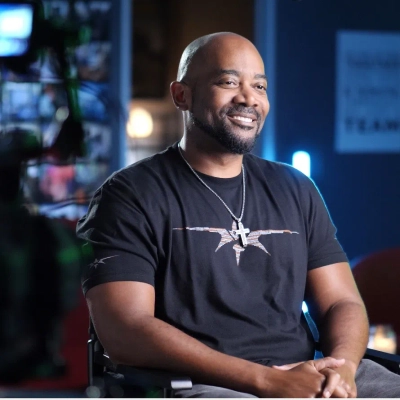
Tavares BeverlyFounder and CEO, Beverly Boy Productions
A strong reel helps me evaluate someone's craft. I also need to understand how they communicate and make decisions when the production gets difficult.
I would ask for a specific example of a shoot where the venue changed or the talent became unavailable close to the production date. What did they do first, who did they contact, and how did they decide what could change?
I'm listening for the sequence. Did they make sure the producer understood the problem? Did they consider the client's priorities and the effect on the budget or schedule? Can they explain what they would do differently next time?
References are useful for checking that account. I would ask how the person communicated under pressure and whether there were surprises the team should have known about sooner.
In our business, people represent the company on sets where I may never be present. I need confidence in their judgment as well as their work. A specific example, checked against a reference, gives me more to assess than a general promise that someone works well under pressure.
Watch Composure With Reactive Dogs
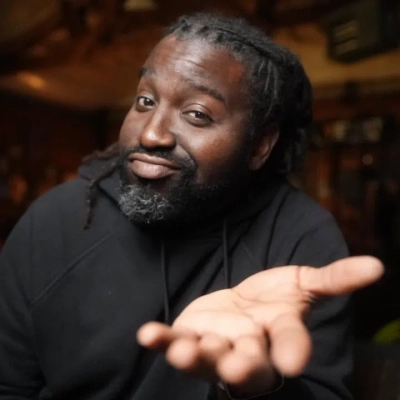
David WrightOwner/ Dog Trainer, Blackwood Canine
Running Blackwood Canine in an unregulated industry like professional dog training, I frequently evaluate candidates who look qualified on paper but need genuine judgment in high-stakes situations. Technical knowledge is easy to talk about, but working with reactive, high-drive dogs requires real composure and clear communication.
One core interview question I always ask is: "How do you react when presented with improper behavior, and what is your typical response when things go completely off-script?" Their answer immediately reveals whether they understand balanced problem-solving or if they rely on rigid scripts that crumble under pressure.
I follow this with a hands-on trial step observing how they handle an unpredictable, high-stress dog in real time. Watching their practical management live shows you within minutes whether they possess the patience, honesty, and sound judgment you can actually trust.
Surface Ethics Through Document Checks
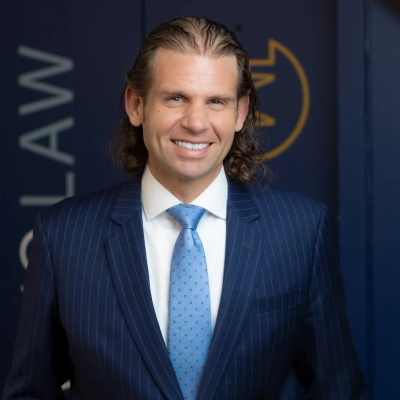
Jonathan R. MarkoFounder & Principal Attorney, Marko Law
Running a trial law firm means every hire is high-stakes. A bad judgment call from one person can compromise a client's case, their trust, and sometimes their life circumstances.
The single most revealing thing I do is present a candidate with a real ethical tension -- not a hypothetical, but something like: "A client calls frustrated and wants us to tell them what they want to hear instead of the truth. Walk me through how you handle that." Qualified candidates give you the process. The right candidates protect the client even when it's uncomfortable.
The trial step I use is giving them a low-pressure version of real work before an offer. For a paralegal role, that meant handing someone a set of documents and asking them to flag anything that looked wrong. One candidate found an inconsistency nobody else had caught. That's not a skill -- that's character.
Small businesses can't absorb someone who performs well when watched but cuts corners when they're not. In litigation, that costs clients. In any business, it costs you the relationship you worked hardest to build.
Reward Early Disclosure of Hidden Risks

Marina PortnaCEO & Founder, Job Advice Agency
In a small team, one hire is a big share of the whole culture. Our client teams are often five to seven people, so one new engineer makes up close to a fifth of the group, and one person's bad judgment shows up for everyone. I stopped treating 'qualified' and 'trustworthy' as one test. A CV and a technical interview tell you whether someone can do the work. They tell you very little about what that person does when the right move isn't written down anywhere. What helped most was a short paid trial task with a gap built in, such as a requirement that conflicts with the deadline or a missing piece of data. I'm not grading the code. I'm watching what the person does with the gap. Strong candidates raise it early, say what they assumed and flag the risk. Weaker ones quietly guess and hand in something that looks finished. In interviews I ask one question: 'Tell me about a time you gave a client or manager bad news before they found it themselves.' The answer shows how early that person speaks up, and that's the habit you actually rely on.
Evaluate Reliability Through Print Trade-Offs

Jessica Gutowski-SlaydonPresident, Swift Printing
Growing up in a third-generation family business like Swift Printing taught me early that technical skills alone fall short without a deep sense of reliability and follow-through. Longtime employees and family members showed me how relationships and doing what you say you are going to do build trust that lasts through changing technology and economies.
One step that helped me spot a strong fit was giving candidates a short project-planning scenario involving a tight deadline and choices between digital and offset methods. I asked how they would explain trade-offs in plain terms to a municipal client while keeping quality and promises intact. The best answers showed clear judgment about protecting both the customer and the team's word.
This approach came from lessons during our B Corp process, where we examined employee policies and community impact alongside daily decisions. Candidates who naturally weighed reliability over shortcuts stood out as people we could trust with client work that represents organizations well.
Weigh Repairs Against Roof Replacement

Bill HoganOwner, Hogan Roof
As owner of Hogan Roof, a family-operated company that's served the NY/NJ/CT tri-state area for over 20 years, I hire for roles that put people inside clients' homes and businesses every day.
One question that reveals real judgment is how a candidate would decide whether to recommend a full roof replacement or a targeted repair during a free inspection.
I once had a candidate explain their approach on a commercial siding project where they weighed client budget, long-term weather protection, and our Owens Corning standards before giving advice.
That process showed me they would treat the work like family property rather than just completing the next job.
Demand Patience Before Premature Replies

Chrissy GrigorPersonal Injury Lawyer & Founder, Grigor Law Injury & Car Accident Lawyers
A candidate's judgment is often clearest when two correct obligations pull in different directions. Workers' compensation matters can involve medical records, workplace relationships, benefit deadlines, and a possible third-party claim, so premature assumptions can harm more than one path. I ask, "If a colleague wants a quick answer, but the records are incomplete and another person may be affected, what do you do before responding?"
The answer should include a pause with, not indecision. Look for someone who identifies what must be checked, preserves confidentiality, and tells the colleague when an answer can be expected. A candidate who promises certainty too early may create exposure.
Present Unscripted Contractor Complaints

Trevor JonesOwner, GHOSTUD
Running GHOSTUD from the ground up means every hire carries real weight. I've worn every hat in this company, so I know exactly what breaks when someone has the resume but not the instincts.
The one thing I do that changed everything: I give candidates an unscripted problem before they're officially on the clock. For us that looked like handing someone a product complaint from a contractor and asking them to draft a response without any guidance from me. What they prioritize in that moment tells you more than any interview answer ever will.
The candidates who asked clarifying questions before responding were the ones who worked out long-term. The ones who jumped straight to defending the product without understanding the complaint were a red flag, no matter how polished they seemed on paper.
Trust in a small business isn't built in the interview room, it's revealed the first time someone has to make a call without you standing there.
Balance Compassion Within Aid Rules

Margaret MartensExecutive Director, Water Well Trust
Running the Water Well Trust means every hire must handle applications from families who have gone without water for months, so I screen for judgment that protects both the household and our limited resources. A strong resume shows little until you see how someone weighs competing needs in real time.
One question that surfaces this is: describe a time you had to decide whether to stretch a rule for someone in a tough spot, and what you ultimately did. The best answers show they stayed within bounds while still finding a practical next step for the person.
I also give finalists an anonymized case file from a past rural applicant and ask them to outline their approach before we discuss it together. This reveals whether their instincts align with the care and accountability our families count on every day.
Rewrite Campaign Briefs Around Customer Goals

Krista StoutPrincipal Cofounder, Stout Factor Marketing
With over 15 years leading sales teams across six Charlotte radio stations, I have hired for roles where technical skills alone never tell the full story. Trust and judgment show up fastest when candidates must decide how to represent a business they have never met.
One trial step that worked consistently was giving them a real client brief from our past work and asking them to rewrite the core message while staying inside the client's stated budget. I watched how they balanced creative push with the need to protect the client's resources and reputation.
The strongest fits always asked questions about the client's long-term goals before writing a single line and rejected flashy ideas that would not move the needle. Those instincts translated directly into the kind of reliable teammates we later trusted with full campaigns.
Spot Coverage Gaps at Renewal

I built my brokerage from a solo start in 2003 to employing full-time staff, so hiring for trust and judgment directly shapes whether we can deliver consistent client advocacy across dozens of industries.
One trial step that helped is handing a candidate a basic policy renewal document and asking them to flag any areas where client interests might need extra protection before renewal.
Their handling of that task shows whether they default to careful review and process rather than speed.
This approach mirrors the way every renewal and document already serves as proof of how we will act when real claims arise.
Navigate Compliance Amid Deadline Conflicts

Sebastien GaddiniPrincipal, Corpiya
In over 20 years advising on cross-border M&A and corporate governance, I've learned that assessing judgment requires testing how candidates navigate conflicting priorities under pressure.
The most effective trial step I use is presenting a scenario where strict regulatory compliance directly clashes with an urgent operational deadline. I ask the candidate to walk me through how they balance legal and governance risk against commercial momentum.
Candidates with sound judgment do not cut corners for quick wins or freeze in indecision; they transparently outline the trade-offs and prioritize the long-term integrity of the business.
Route Critical Calls for Prompt Evaluation

Lonny Nodelman, DPM, FACFASFounder & Owner, District Foot & Ankle
I founded and run a small podiatry practice, so hiring is not just "can this person do tasks?" It's "will I trust their judgment with an anxious patient, a surgical schedule, or a potentially serious foot/ankle issue when I'm not standing there?"
One trial step I like is a mock patient call: "A runner says they felt a pop near the heel during pickleball, can barely push off, and wants to email photos instead of coming in. What do you do?"
A strong fit does not try to diagnose, does not invite personal medical info over unsecured email, and does not casually reassure them. They calmly recognize it could be urgent, get them routed for evaluation, document clearly, and keep the patient feeling cared for.
The red flag is someone who wants to sound smart more than they want to be safe. In a small healthcare business, judgment often looks like knowing your lane, escalating early, and treating every small interaction like it affects the whole practice.